
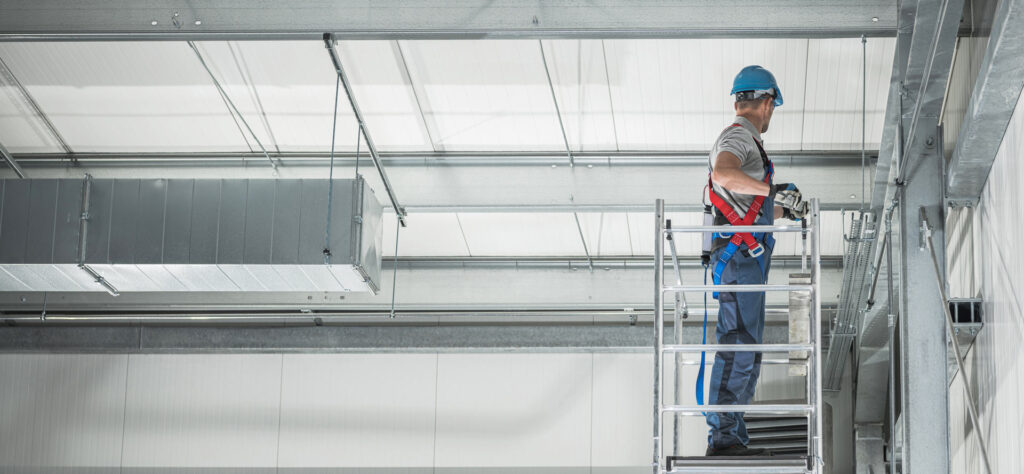
In today’s fast-paced world of commercial construction, commercial general contractors serve as the cornerstone of successful building projects. Whether constructing a retail plaza, office tower, or multi-use facility, these professionals ensure that every phase—from planning to final inspection—is handled with precision and efficiency.
What Do Commercial General Contractors Do?
At their core, they are project managers. They oversee every aspect of a commercial construction project, working closely with architects, engineers, suppliers, and subcontractors. Their role includes budgeting, scheduling, procurement, labor management, and ensuring compliance with safety and building codes.
With construction projects becoming increasingly complex, the need for experienced contractors has never been more important. Their ability to coordinate multiple teams and manage resources efficiently helps keep projects on track, within budget, and to the client’s expectations.
Key Responsibilities
-
Project Coordination & Scheduling
CGCs create detailed timelines that align all teams and tasks, minimizing downtime and avoiding costly delays.
-
Quality & Compliance Oversight
They enforce quality control measures and ensure all work complies with building codes, safety regulations, and design specifications.
-
Risk Management
From site conditions to material delays, contractors anticipate issues and implement contingency plans to maintain project momentum.
-
Communication
As the central hub of communication, CGCs ensure information flows smoothly between all stakeholders, streamlining decision-making and promoting collaboration.
Benefits
One of the most significant advantages is having a single point of accountability. With a CGC leading the project, clients benefit from simplified communication, faster issue resolution, and consistent progress updates.
Cost efficiency is another major perk. Experienced contractors have long-standing relationships with suppliers and subcontractors, allowing them to negotiate better prices. Their expertise also helps identify cost-saving opportunities without sacrificing quality.
CGCs also excel in time management, ensuring materials and labor arrive at the right time to prevent lags in construction.
Services Offered
Commercial general contractors offer comprehensive services across all phases of construction:
- Pre-Construction: Site selection, feasibility studies, budgeting, and permitting.
- Construction Management: Scheduling, procurement, contract oversight, and on-site supervision.
- Post-Construction: Final inspections, commissioning of systems, and project handover.
How CGCs Streamline the Process
CGCs use several strategies to streamline operations:
- Technology Integration: Tools like Building Information Modeling (BIM) enhance collaboration and help identify design conflicts early.
- Lean Methods: Emphasizing efficiency and minimizing waste, lean techniques reduce storage needs and keep sites organized.
- Proactive Problem Solving: Regular site meetings and quick issue resolution ensure the project stays on course.
The Role of Communication
Effective communication is essential, especially on complex projects involving multiple teams. CGCs facilitate clear and timely communication between architects, engineers, subcontractors, and owners. This alignment keeps everyone informed, minimizes misunderstandings, and speeds up decisions.
Overcoming Challenges
From permit delays to labor shortages, commercial construction comes with unique challenges. A skilled contractor navigates these issues with a strategic approach:
- Regulatory Navigation: They secure permits and manage inspections, ensuring compliance with local laws.
- Supply Chain Disruptions: Their supplier networks and backup plans help avoid costly delays.
- Labor Coordination: With access to reliable subcontractors, CGCs maintain productivity even when schedules are tight.
How to Choose the Right Commercial General Contractor
The right contractor can make or break a project. Here’s what to look for:
- Experience: Choose a contractor with a track record of handling similar projects.
- Reputation: Check reviews and case studies.
- Communication: Look for someone who prioritizes transparency and responsiveness.
The Future of Commercial Construction
The industry is evolving rapidly. Green building practices, smart technologies, and data-driven project management are transforming how buildings are designed and constructed. CGCs who embrace these trends will lead the future of commercial construction, delivering projects that are not only functional but also sustainable and tech-forward.
Final Thoughts
Commercial general contractors are more than just builders—they are project leaders, strategic thinkers, and problem-solvers. Their ability to manage complexity, control costs, and deliver quality makes them essential partners in commercial development.
If you’re planning a commercial project, then contact us. We don’t just build buildings—we turn visions into reality.
